Fixture Installation Guide: Faucets, Toilets, and More
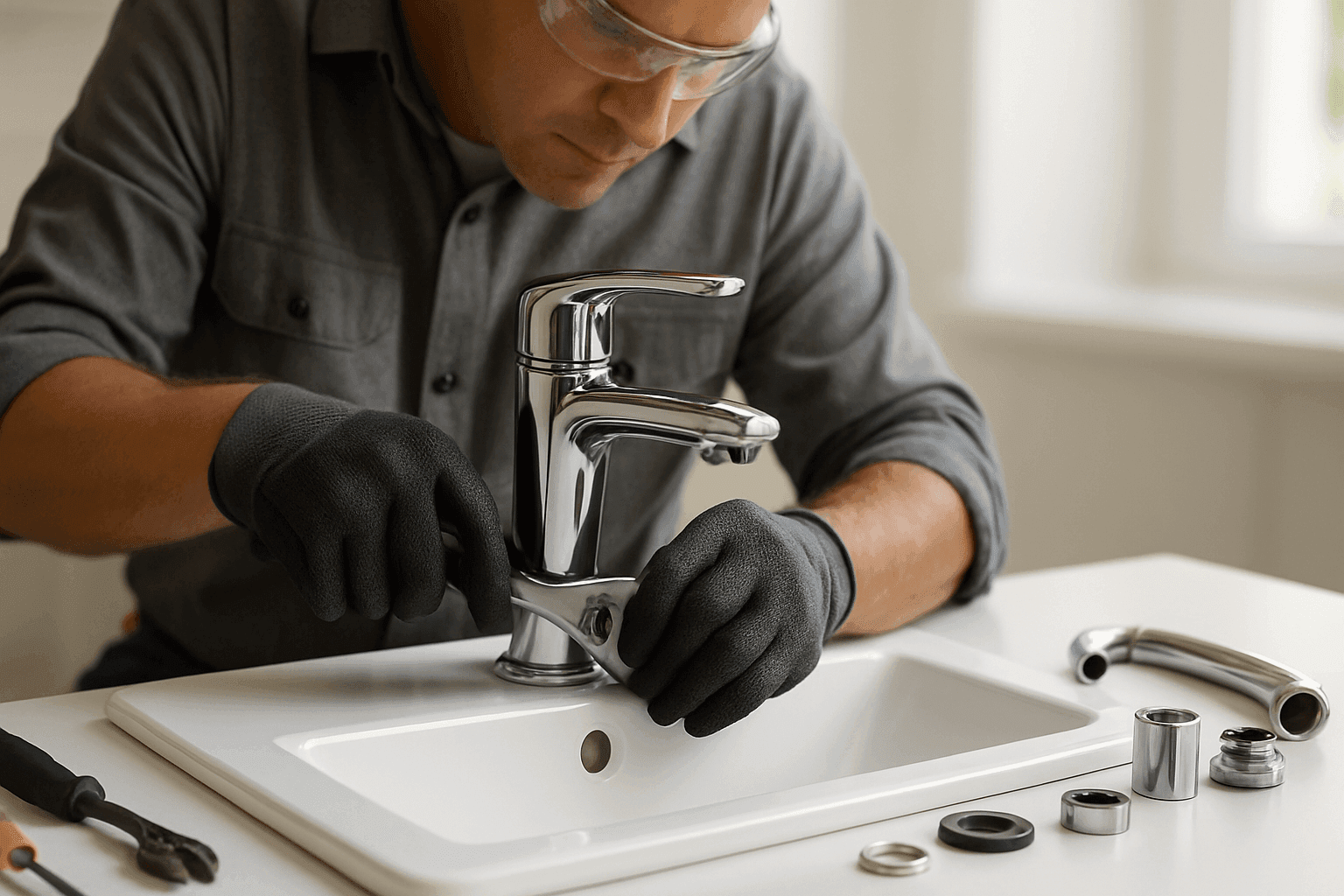
Thinking about swapping out an old faucet? Maybe your toilet rocks side to side, or the kitchen sink drips like a leaky tap in a cartoon. Whether you’re upgrading for style, function, or fixing a sudden problem, fixture installation can feel like wrestling with a stubborn jar lid—frustrating, but incredibly satisfying once it’s done.
At Monty’s Plumbing, we’ve helped homes and businesses with everything from last-minute leak repairs to full bathroom overhauls. If you need a hand, we’re always nearby—emergency plumbing and Sink Repair near you, day or night. But if you’re curious about how the pros do it (or want to try it yourself), this guide breaks it all down.
The Scenario: Why Fixture Installation Matters
A dripping faucet isn’t just annoying. It’s as if your wallet is slowly draining, penny by penny. The same goes for inefficient toilets or leaky garbage disposals—they waste water, raise bills, and can even damage floors and cabinets over time.
Fixture installations aren’t just about fixing what’s broken. They’re about adding value, boosting efficiency, and preventing those midnight emergencies that leave you ankle-deep in water.
Tools & Materials Needed 🛠️
Before you start, gather your gear. Imagine packing for a camping trip—you don’t want to realize you forgot matches halfway through pitching the tent.
Basic tools for most fixture installs:
- Adjustable wrench
- Basin wrench
- Plumber’s tape (Teflon tape)
- Putty knife
- Screwdrivers (flathead and Phillips)
- Bucket and towels
- Level
- Utility knife
- Supply lines (new is best)
- Silicone sealant
- New fixture (faucet, toilet, or disposal)
Some specialty installs (like garbage disposals or water-saving toilets) may require:
- Plumber’s putty
- Hacksaw (for trimming pipes)
- Cordless drill (for mounting brackets)
- Safety gloves and goggles
Tip: Always read the manufacturer’s instructions. Every fixture is a little different—like snowflakes, but for plumbing.
Quick Safety Checklist
Safety isn’t just a box to tick. It’s your shield against headaches and hospital trips.
- Turn off the water supply. Find the shutoff valve under the sink or behind the toilet.
- Unplug electrical connections (for disposals).
- Wear gloves and safety glasses.
- Check for gas lines if working near a stove or heater. (Call a licensed plumber for gas work.)
- Keep the area dry. Water and electricity are a dangerous mix.
- Have a bucket handy to catch residual water.
- Know your limits. Don’t force stuck parts—this can crack porcelain or strip threads.
Reference: The International Association of Plumbing & Mechanical Officials (IAPMO) recommends always shutting off supply lines before disconnecting fixtures.
DIY vs. Professional Install
Should you roll up your sleeves, or is it time to call Monty’s?
DIY might work if:
- The job is straightforward (like a faucet swap).
- You have the right tools.
- You’re comfortable following instructions and troubleshooting.
Consider a professional if:
- The fixture is old and corroded.
- Pipes are hard to reach or require cutting.
- New plumbing or gas lines are needed.
- There are signs of water damage or mold.
- You need it done quickly—especially in commercial spaces.
Think of it like fixing your car. Changing the wipers? Sure, go for it. Replacing the transmission? Maybe leave that to the shop.
Monty’s Plumbing offers:
- Quick turnaround—often same-day for emergencies.
- Full warranty on installations.
- Code-compliant work, every time.
Common Mistakes to Avoid
Even seasoned DIYers make missteps. Here’s what trips up most folks:
- Skipping the water shutoff: You’ll end up with an indoor fountain.
- Using old supply lines: They’re a hidden source of leaks.
- Over-tightening connections: Can crack fixtures or strip threads.
- Ignoring the level: Crooked toilets and faucets haunt your dreams.
- Neglecting the wax ring: Toilets need a fresh one every time, or you’ll face floor damage.
- Not testing before finishing: Always check for drips before sealing everything up.
Post-Install Checks ✔️
You’ve tightened the last bolt. Now what? Think of this as your victory lap.
- Turn the water back on slowly. Watch for leaks.
- Test the fixture. Run water, flush the toilet, or turn on the disposal.
- Check for rocking or movement. Fixtures should feel solid.
- Inspect connections. Look for beads of water or damp spots.
- Listen for odd noises. Gurgling or hissing means something’s off.
- Clean up excess putty or sealant.
If anything seems off, don’t ignore it. A small leak can grow faster than you’d expect.
Tips for Water-Saving Fixtures
Choosing the right fixture isn’t just about looks. It’s about lasting value.
- Low-flow faucets and showerheads can cut water use by up to 30%, according to the EPA’s WaterSense program.
- Dual-flush toilets let you choose how much water to use with each flush.
- Touchless faucets help reduce waste and are more hygienic, especially for businesses.
- ENERGY STAR® water heaters and efficient disposals save energy and money.
Pro tip: Always check for the WaterSense or ENERGY STAR label when buying new fixtures.
What Pros Do On Arrival
Ever wonder how pros make it look easy? Here’s a peek behind the curtain.
- Assess the job. Quick inspection for hidden water damage, code issues, or outdated pipes.
- Protect the workspace. Drop cloths, shoe covers, and careful tool use.
- Disconnect old fixtures safely. No shortcuts—removal is clean and controlled.
- Install with precision. Level, secure, and test every connection.
- Code-check: Work is done to local safety and plumbing codes.
- Final walkthrough: The area is cleaned up and checked with you before leaving.
Monty’s Plumbing is known for speed—most installs are finished in hours, not days. And our team backs every job with a solid warranty on workmanship.
Prevention & Maintenance
Once your new fixture is in, keep it running smooth:
- Check for leaks monthly. Even a tiny drip can grow.
- Clean aerators and filters. Mineral buildup reduces flow and efficiency.
- Flush drains with hot water (never chemical cleaners).
- Don’t hang heavy items (like organizers) on faucets or toilet tanks.
- Schedule annual plumbing checks. Especially for businesses or older buildings.
A little maintenance now avoids late-night calls for emergency plumbing later.
Costs & Time Factors
Every job is different, like snowflakes that show up on your bill.
Factors that impact cost and timing:
- Fixture type: Toilets and disposals take longer than a basic faucet.
- Home age: Old plumbing may need extra work.
- Access: Tight spaces or hidden pipes slow things down.
- Material upgrades: Water-saving or touchless options may cost more upfront, but save over time.
Typical timeframes:
- Faucet install: 1–2 hours
- Toilet install: 2–3 hours
- Garbage disposal: 1–2 hours
Average cost range: Varies by fixture and region. For an accurate estimate, contact a professional.
When It’s an Emergency 🚨
Some fixture problems just can’t wait. If you spot:
- Water pooling around a base or under a sink
- Persistent leaks, even with the water shut off
- Sewer smell or backup
- Gas odor near a stove or water heater
- Unusual noises from pipes or disposals
Don’t hesitate. Call for emergency plumbing right away. Quick action protects your property and keeps things safe.
FAQ
Q: Can I install a new faucet or toilet myself?
A: Many homeowners can, if they’re comfortable with basic tools and instructions. But if pipes are old, corroded, or hard to reach, a pro is a safer bet.
Q: What’s the best way to avoid leaks after installation?
A: Always use new supply lines, apply plumber’s tape to threads, and check connections twice before turning the water back on.
Q: How often should fixtures be replaced?
A: Faucets and toilets usually last 10–15 years. Garbage disposals often 8–12. If you notice rust, leaks, or poor performance, it’s time to upgrade.
Q: Are water-saving fixtures worth it?
A: Absolutely. They reduce utility bills and are often required by local codes for new installs (per EPA and local building authorities).
Local/Seasonal Considerations
If you live in a cold climate, freezing pipes are a real risk for fixtures near exterior walls. Insulate pipes and keep a trickle running in extreme cold. In areas with hard water, mineral buildup can shorten the life of faucets and disposals—consider a water filtration system.
Businesses should plan upgrades during slow times to avoid disruptions. And don’t forget: some municipalities require backflow prevention or regular safety checks for commercial plumbing.
Fixture installation can be a smart DIY project—or a fast, stress-free fix with help from Monty’s Plumbing. For same-day service, reliable installs, and a team that treats your home or business like their own, we’re ready when you need us.
Call Monty's Plumbing now — or reach us anytime at 844-484-5484 .