How to Maintain Your Plumbing System Year-Round: A Homeowner’s Guide
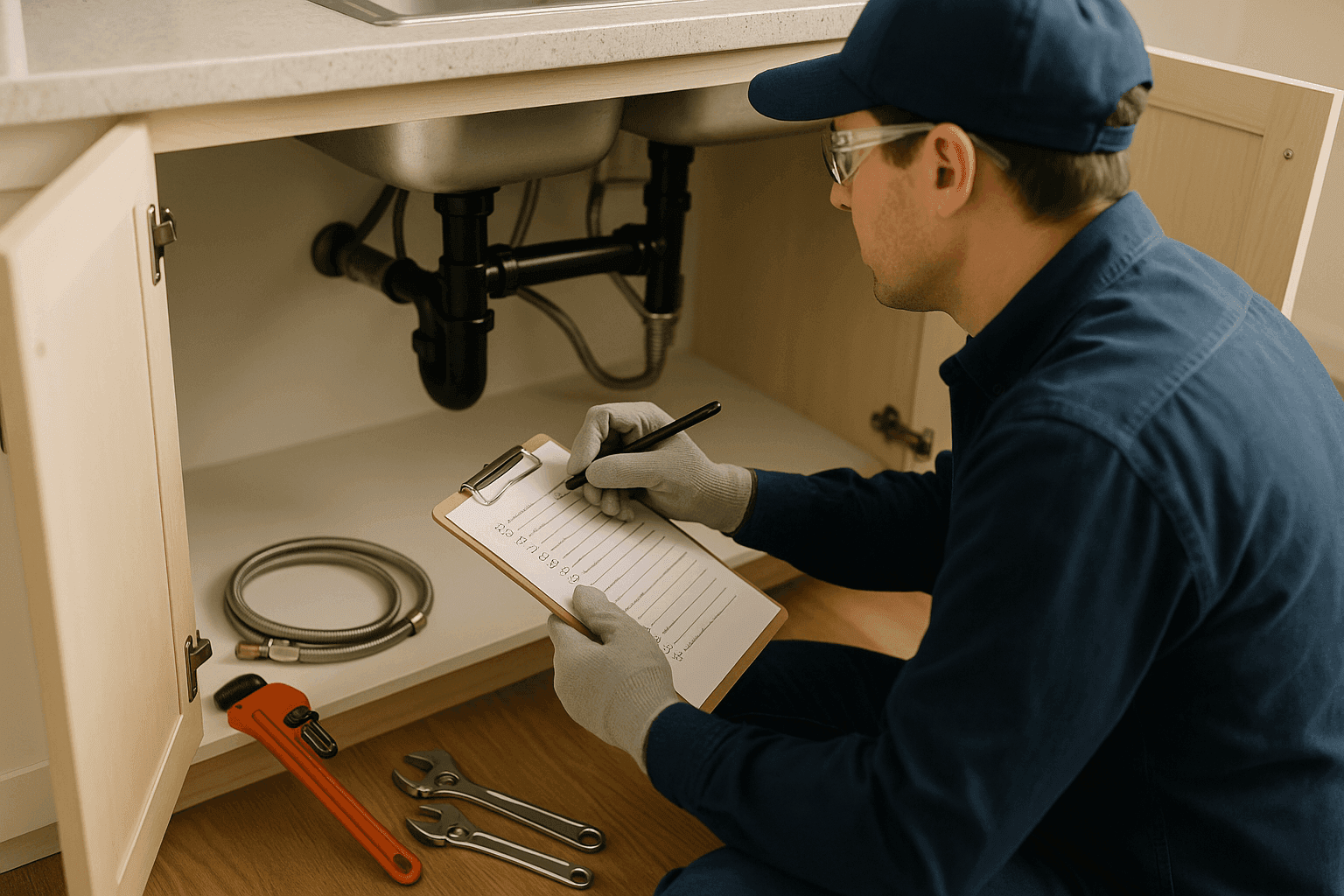
Plumbing problems have a way of sneaking up on you. One day, everything flows fine. The next, you’re ankle-deep in water or dealing with a stubborn clog. At Monty's Plumbing, we know how stressful these moments can be—especially when they happen at the worst possible time.
That’s why we believe in sharing what we know. A little know-how and regular care can keep your plumbing system humming along, season after season. Let’s walk through the steps to keep your pipes, fixtures, and appliances in top shape all year.
Seasonal Plumbing Maintenance: What to Do Each Season 🗓️
Every season brings its own plumbing challenges. Think of your plumbing like a car—it needs a tune-up now and then to avoid breakdowns. Here’s what to focus on as the months roll by.
Spring: Wake Up Your System
- Check for Leaks: Winter can be tough on pipes. Look for drips under sinks, around toilets, and near water heaters. Even a small leak can lead to big trouble over time.
- Test Outdoor Faucets: Turn on exterior spigots and check for leaks or weak water flow. If you spot a problem, you may have a cracked pipe.
- Clean Gutters and Downspouts: Clear away leaves and debris so water can drain properly, protecting your foundation from water damage.
- Inspect Sump Pumps: Pour water into the pit to make sure the pump kicks on. This keeps your basement dry during spring rains.
- Service Water Heater: Flush your water heater to remove sediment. This helps it run efficiently and last longer.
Summer: Prepare for Heavy Use
- Inspect Sprinkler Systems: Check for leaks or broken heads. Water waste can add up fast.
- Fix Slow Drains: Summer gatherings mean more showers and dishwashing. If a drain is slow, clear it before it becomes a full clog.
- Check Washing Machine Hoses: Look for bulges, cracks, or leaks. Replace any that seem worn—burst hoses can cause major floods.
- Look for Signs of Mold: Warm weather and moisture can create the perfect environment for mold. Address leaks and damp spots right away.
Fall: Get Ready for Cold Weather
- Disconnect and Drain Hoses: Leaving hoses attached can cause pipes to freeze and burst.
- Insulate Exposed Pipes: Wrap pipes in unheated areas like garages, basements, or crawl spaces.
- Test Sump Pump Again: Make sure it’s ready for fall storms.
- Check Water Heater Temperature: Set it to 120°F (per U.S. Department of Energy guidelines) for safety and savings.
- Inspect for Drips and Leaks: Catching small issues now can prevent big emergencies when temperatures drop.
Winter: Protect Against Freezing
- Keep Cabinet Doors Open: Let warm air reach pipes under sinks, especially on cold nights.
- Let Faucets Drip: A slow drip keeps water moving and helps prevent frozen pipes.
- Seal Gaps and Cracks: Use caulk or insulation to block cold air from reaching pipes.
- Know Your Main Shutoff Valve: If a pipe bursts, shutting off the water fast can limit damage.
- Schedule a Professional Inspection: A licensed plumber can spot trouble before it starts.
Preventative Maintenance Tips
An ounce of prevention is worth a pound of cure. Here’s how to keep your plumbing healthy between seasons.
Regular Inspections
- Check for Leaks: Even a tiny drip can waste gallons of water and cause damage.
- Monitor Water Pressure: High water pressure can strain pipes and fixtures. Use a simple gauge to check it; most homes do best at 40–60 psi.
- Examine Visible Pipes: Look for rust, discoloration, or moisture.
- Test Drains: Run water and watch for slow draining or gurgling sounds.
Leak Detection
- Listen for Unusual Sounds: Hissing or dripping behind walls could mean a hidden leak.
- Check Water Meter: Turn off all water and see if your meter still moves. If it does, you probably have a leak.
- Inspect Appliances: Water heaters, dishwashers, and washing machines can all develop leaks over time.
Drain Cleaning
- Use Drain Strainers: Catch hair and food scraps before they cause trouble.
- Avoid Harsh Chemicals: Chemical drain cleaners can damage pipes. Try a plunger or a plumber’s snake for clogs.
- Flush Drains with Hot Water: Once a week, pour hot (not boiling) water down your drains to help clear buildup.
Water Heater and Boiler Care
- Flush Annually: Sediment reduces efficiency and can cause damage.
- Check Pressure Relief Valve: Make sure it opens and closes properly.
- Schedule Professional Maintenance: A licensed plumber can spot worn parts before they fail.
Gas Line and Backflow Prevention
- Schedule Gas Safety Checks: Gas leaks are dangerous. Have lines inspected regularly.
- Backflow Testing: Prevent contaminated water from entering your supply with annual tests (as recommended by EPA guidelines).
Emergency Plumbing Prevention: How to Stay Ahead
Emergency plumbing problems rarely announce themselves. But your home will often whisper warnings if you know what to listen for.
Signs to Watch For
- Sudden Drop in Water Pressure: Could signal a leak or blockage.
- Unusual Odors: Sewer smells inside mean trouble.
- Noisy Pipes: Banging or clanking can mean loose fittings or trapped air.
- Frequent Clogs: Repeated backups in sinks or toilets are a red flag.
- Wet Spots on Walls or Ceilings: Water stains often mean a hidden leak.
When to Call a Professional
- Water Won’t Stop Flowing: Shut off the main valve and call for help.
- Sewage Backup: Don’t try to handle this yourself—call emergency plumbing right away.
- Gas Smell: Leave the area and call your utility provider or emergency services.
- No Hot Water: If your water heater stops working or leaks, get a pro to inspect it.
Cost Benefits of Maintenance
Think of plumbing upkeep like changing the oil in your car. A little money spent now can save a fortune later.
- Fewer Emergencies: Regular maintenance catches problems early, before they become disasters.
- Lower Water Bills: Fixing leaks and running toilets stops money from going down the drain.
- Longer Lifespan for Appliances: Water heaters, boilers, and fixtures last longer with routine care.
- Better Home Value: Well-maintained plumbing is a selling point for any property.
According to the Insurance Information Institute, water damage is one of the most common and costly claims for homeowners. Preventative maintenance is a smart investment—one that pays off in peace of mind and real savings.
Actionable Steps: What You Can Do
- Set calendar reminders for seasonal tasks.
- Keep a plumbing checklist handy.
- Know where your main shutoff valve is located.
- Schedule annual professional inspections.
- Don’t ignore small problems—little leaks can become big headaches.
Frequently Asked Questions
How often should I have my plumbing inspected?
Most homes and businesses benefit from an annual inspection by a licensed plumber. If you have older pipes or frequent issues, twice a year may be wise.
What’s the best way to prevent frozen pipes?
Insulate exposed pipes, keep cabinet doors open during cold snaps, and let faucets drip slightly on freezing nights.
Are chemical drain cleaners safe for my pipes?
Most aren’t. They can eat away at older pipes and cause more harm than good. Stick to mechanical methods like plungers or snakes, or call a plumber for stubborn clogs.
When is it an emergency?
If you have flooding, sewage backup, no water, or a gas smell, it’s time to call emergency plumbing services immediately.
Special Considerations for Businesses
Small businesses rely on smooth plumbing for daily operations. Regular maintenance can help avoid disruptions, protect inventory, and keep your doors open. Schedule routine checks for commercial kitchens, restrooms, and any equipment connected to water or gas lines.
Your Plumbing, Year-Round
Taking care of your plumbing system isn’t just about avoiding emergencies. It’s about creating a safer, more comfortable space for you, your family, or your business. At Monty’s Plumbing, we’re here to help you stay ahead of problems and keep everything flowing smoothly.
Call Monty's Plumbing now — or reach us anytime at 844-484-5484 .