How to Prepare Your Plumbing for Winter: Essential Tips to Avoid Freezes and Bursts
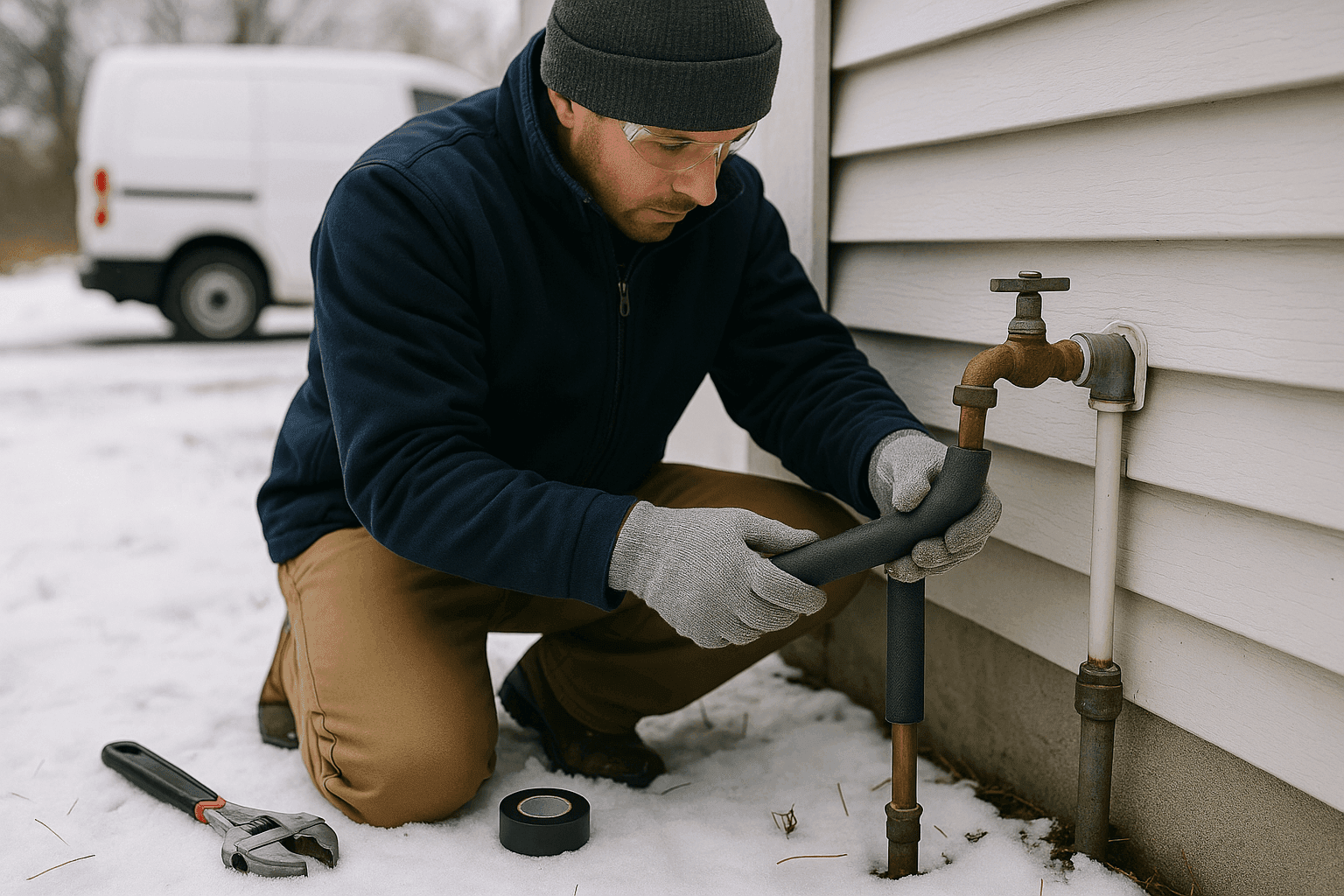
When winter rolls in, your pipes feel it first. The cold can sneak into your walls, crawl spaces, and basements, turning water lines into ticking time bombs. A frozen pipe isn’t just an inconvenience—it can mean water damage, expensive repairs, or even a complete shutdown of your home or small business.
At Monty’s Plumbing, we’ve seen it all. We know how quickly a simple chill can turn into a full-blown emergency plumbing call. Let’s walk through exactly how you can keep your plumbing safe and sound all winter long.
Why Winter Is Tough on Plumbing
Winter is like a stress test for your pipes. When temperatures drop, water inside your pipes can freeze. As water freezes, it expands—think of a soda can left in the freezer. That pressure can burst even the toughest pipe, unleashing a flood.
Common winter plumbing headaches include:
- Frozen or burst pipes
- Water pressure problems
- Leaky outdoor faucets
- Blocked drains from ice or debris
- Malfunctioning water heaters
These issues can disrupt daily routines and rack up repair bills. But with some preparation, you can avoid most cold-weather plumbing disasters.
Quick Winter Plumbing Safety Checklist ✅
Before winter really bites, run through this checklist:
- Turn off and drain outdoor faucets and sprinkler systems
- Insulate exposed pipes in garages, crawl spaces, and attics
- Check for leaks and repair them before freezing temps arrive
- Seal gaps and cracks near pipes with caulk or foam
- Set your thermostat to at least 55°F, even if you’re away
- Know where your main water shutoff is located
Taking these steps now can save you a lot of stress (and money) later.
Identifying Vulnerable Pipes
Not all pipes are created equal when it comes to freezing risk. Some are more exposed to cold air or poorly insulated.
Look for:
- Pipes running along exterior walls
- Uninsulated pipes in basements, attics, and crawl spaces
- Water lines under sinks next to outside walls
- Outdoor hose bibs and irrigation lines
These are your “problem children.” Give them extra attention before the first freeze.
Insulating and Protecting Pipes 🧣
Insulation is like a winter coat for your pipes. It doesn’t just keep them warm—it keeps your peace of mind intact.
How to Insulate Pipes
- Foam Pipe Insulation: Slide foam sleeves over exposed pipes. Available at most hardware stores.
- Heat Tape: For pipes in extreme cold, wrap with UL-listed heat tape. Follow the manufacturer’s instructions carefully.
- Old Towels or Blankets: In a pinch, wrap pipes with towels and secure with duct tape.
- Seal Gaps: Use caulk or expanding foam around holes where pipes enter walls.
The U.S. Department of Energy recommends insulating both hot and cold water pipes in unheated spaces to prevent freezing and save energy.
Draining Outdoor Faucets and Sprinkler Systems
Outdoor plumbing is a magnet for freeze damage. Water left in hoses, faucets, or sprinkler lines can freeze, expand, and crack pipes—even inside your walls.
Step-by-Step:
- Disconnect and drain all garden hoses.
- Shut off water to outdoor faucets at the inside valve (if available).
- Open the outdoor faucet to let water drain out.
- Leave the faucet open through winter.
- For sprinkler systems, follow the manufacturer’s instructions to blow out or drain the lines.
Don’t skip this step—frozen outdoor faucets are a leading cause of burst pipes.
Emergency Steps if Pipes Freeze 🚨
Sometimes, even with the best prep, pipes freeze. Here’s what to do:
- Shut Off the Water: If you suspect a frozen pipe, turn off the main water supply.
- Open Faucets: Open all faucets to relieve pressure and allow melting water to escape.
- Warm the Pipe: Use a hair dryer, heating pad, or warm towels to gently thaw the frozen section. Start at the faucet and work back.
- Never Use an Open Flame: This is a fire hazard and can damage pipes.
- Check for Leaks: Once thawed, watch for leaks. A frozen pipe may crack without bursting immediately.
If you can’t locate the freeze, or if the pipe bursts, call Monty’s Plumbing for emergency plumbing help right away.
DIY vs. Call a Pro
Some winter plumbing tasks are perfect for a handy homeowner. Others are best left to the pros.
DIY-Friendly:
- Adding foam insulation to exposed pipes
- Draining hoses and outdoor faucets
- Sealing gaps with caulk or foam
Call a Professional For:
- Installing heat tape or pipe insulation in hard-to-reach places
- Repairing or replacing burst or leaking pipes
- Dealing with frozen pipes you can’t thaw safely
- Water heater maintenance or replacement
- Gas line and boiler checks (for safety, always use a licensed plumber)
If you’re unsure, it’s always safer to call Monty’s Plumbing. We’re available 24/7 for emergencies, and we know the ins and outs of winter plumbing.
What Plumbers Do On Arrival
When you call for emergency plumbing help, here’s what to expect:
- Assessment: We’ll locate the problem—frozen pipe, burst, leak, or other issue.
- Shutoff and Containment: We’ll shut off water if needed and contain any leaks to prevent further damage.
- Thawing or Repair: Using safe, professional-grade tools, we’ll thaw frozen pipes or repair any breaks.
- Inspection: We’ll check for additional weak spots or damage.
- Advice: Before we leave, we’ll offer tips to help you avoid future problems.
Our licensed plumbers follow plumbing codes and safety guidelines to keep your property safe.
Prevention & Maintenance
An ounce of prevention is worth a pound of cure—especially in winter.
Regular Maintenance Tasks
- Annual Plumbing Inspection: Schedule a checkup every fall. A pro can spot leaks, corrosion, or insulation gaps.
- Water Heater Service: Flush your water heater to remove sediment and check for signs of wear.
- Backflow Testing: Make sure your backflow preventer is working to keep your water supply safe.
- Sump Pump Check: Test your sump pump to ensure it’s ready for winter storms and melting snow.
According to the International Association of Certified Home Inspectors (InterNACHI), regular inspections can reduce the risk of plumbing emergencies and extend the lifespan of your pipes.
Costs & Time Factors
Winter plumbing prep doesn’t have to break the bank or take up your whole weekend.
- Pipe Insulation: Materials are affordable, and most homes can be done in a few hours.
- Professional Maintenance: An annual inspection or tune-up is a small investment compared to the cost of burst pipe repairs.
- Emergency Repairs: Costs can vary widely based on the extent of damage and time of day. After-hours emergency plumbing service may be higher.
Remember, a little prevention now can save you thousands in repairs down the line.
When It’s an Emergency
Not every winter plumbing issue is an emergency, but some need immediate attention:
- Major leaks or flooding
- No water coming from faucets (could mean a main line freeze)
- Sudden drop in water pressure
- Signs of gas leaks (rotten egg smell, hissing sounds)
- Water heater failure (especially in freezing temps)
If you’re facing any of these, don’t wait. Call Monty’s Plumbing for 24/7 emergency plumbing service.
Frequently Asked Questions
How can I tell if my pipes are frozen?
If you turn on a faucet and only a trickle comes out, you may have a frozen pipe. Frost on exposed pipes or an unusually cold spot on the wall can also be signs.
What temperature do pipes freeze at?
Pipes can begin to freeze when temperatures drop below 32°F (0°C), especially if they’re uninsulated or exposed.
Can I use space heaters to warm pipes?
Space heaters can help, but use them with caution. Never leave them unattended and keep them away from flammable materials.
Should I leave faucets dripping?
Yes, letting faucets drip slightly can keep water moving and help prevent freezing. This is especially useful for pipes along exterior walls.
Special Considerations for Winter Plumbing
- Older Homes: May have less insulation and more vulnerable pipes. Consider extra precautions.
- Businesses: Unused buildings or areas can freeze quickly. Keep heat on and check pipes regularly.
- Vacation Properties: If you’ll be away, shut off the water main and drain the system.
Every property is different. When in doubt, ask a licensed plumber for advice tailored to your setup.
Call Monty's Plumbing now — or reach us anytime at 844-484-5484 .