Preventing Plumbing Emergencies: Essential Tips for Homeowners and Small Business Owners
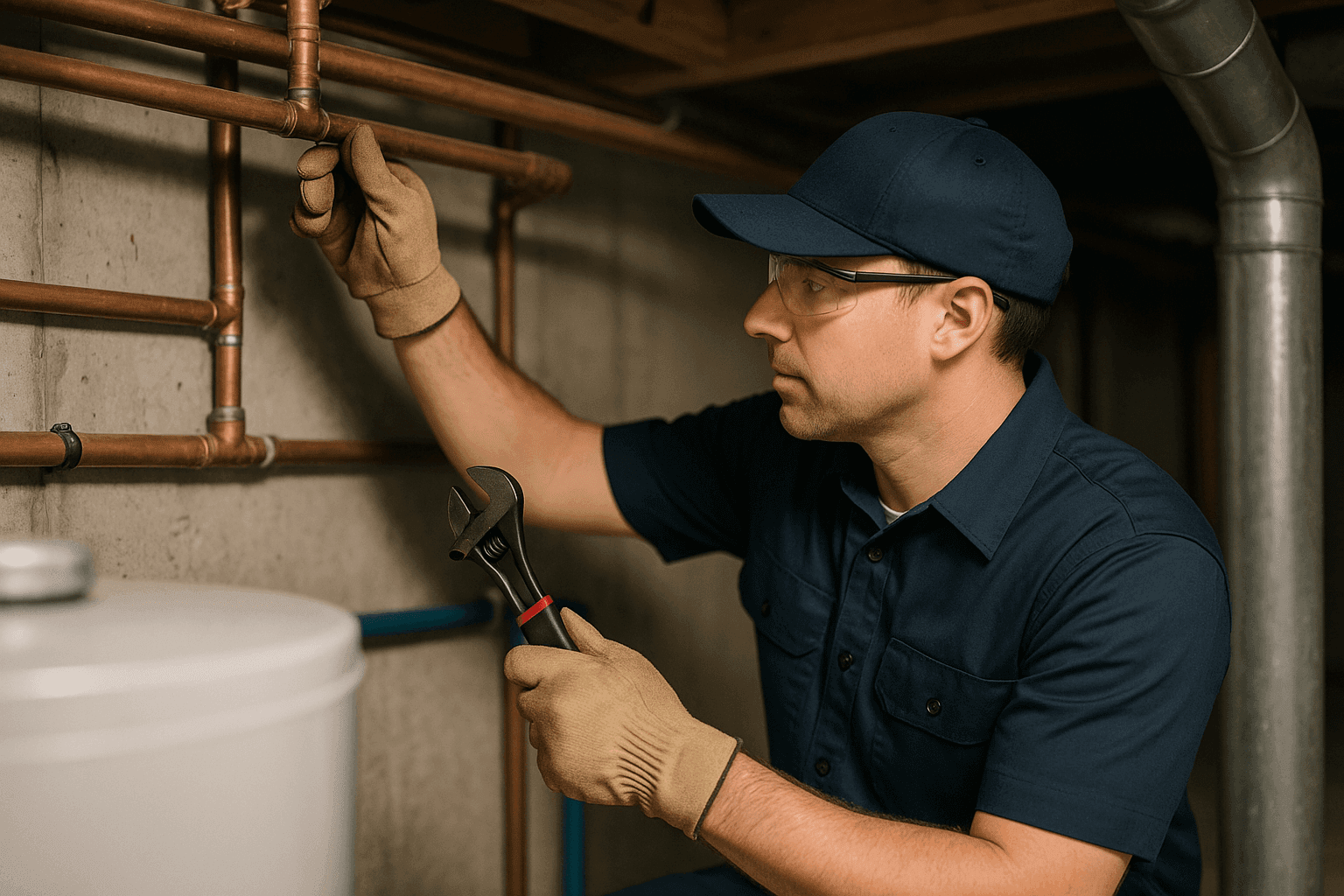
Plumbing emergencies never wait for a convenient moment. One minute, everything’s flowing smoothly. The next? You’re ankle-deep in water, scrambling for towels and searching for the shut-off valve. Homeowners and small business owners know: a burst pipe or a stubborn clog can grind your day to a halt.
At Monty’s Plumbing, we’ve seen it all—kitchen floods, silent leaks, and the panic that follows. But here’s the good news: most plumbing disasters can be avoided with a little foresight and some practical know-how. Let’s dig into the best ways to keep your plumbing running reliably, all year long.
Why Preventative Maintenance Matters
Think of your plumbing like the circulatory system of your building. Pipes, joints, and fixtures quietly keep life moving. But small issues—like a tiny leak or a slow drain—can snowball into major headaches if ignored. According to the International Association of Certified Home Inspectors, water damage is one of the most common and costly insurance claims for property owners.
Preventative maintenance isn’t just about avoiding emergencies. It’s about saving money, protecting your property, and keeping daily life stress-free. Regular checkups mean fewer surprises, less downtime, and peace of mind.
Regular Inspection and Maintenance Routines 🛠️
Routine checks are your first line of defense. Just as you’d service a car to avoid breakdowns, your plumbing needs attention before trouble starts.
What Should You Inspect?
- Pipes and joints: Look for corrosion, moisture, or discoloration.
- Under sinks: Check for water stains or puddles.
- Toilets: Listen for running water or phantom flushes.
- Water heater: Watch for rust, leaks, or strange noises.
- Drains: Note any slow drainage or gurgling.
How Often?
- Monthly: Quick visual checks under sinks, around toilets, and appliances.
- Seasonally: Inspect outdoor faucets, sump pumps, and water heaters.
- Annually: Schedule a professional inspection for hidden leaks and pipe health.
Small leaks can waste thousands of gallons per year, according to the Environmental Protection Agency (EPA). Catching them early can save you from bigger headaches down the line.
Seasonal Plumbing Tips: Stay Ahead of the Weather
Seasons change, and so should your plumbing care. Winter brings the threat of frozen pipes. Summer can stress water heaters and increase demand on drains.
Winter Freeze Prevention
- Insulate exposed pipes: Especially in attics, basements, and crawl spaces.
- Let faucets drip: A slow trickle keeps water moving during extreme cold.
- Seal gaps: Close up holes and cracks near pipes to keep warm air in.
- Disconnect hoses: Drain and store them to prevent outdoor faucet damage.
Spring & Summer Maintenance
- Check sump pumps: Test before rainy season to avoid basement floods.
- Clear gutters and downspouts: Prevent water from pooling near your foundation.
- Inspect irrigation systems: Look for leaks or broken sprinkler heads.
A little seasonal prep can mean the difference between a minor fix and a major emergency.
Recognizing Early Warning Signs
Plumbing issues rarely appear out of thin air. There are usually warning signs—if you know what to watch for.
Common Red Flags
- Unusual noises: Banging, whistling, or gurgling from pipes.
- Low water pressure: Could signal leaks, blockages, or failing fixtures.
- Water stains or mold: On walls, ceilings, or under sinks.
- Persistent clogs: Drains that back up repeatedly.
- Sudden spikes in water bills: Hidden leaks often show up here first.
If you spot any of these, don’t ignore them. Early action can prevent a full-blown plumbing emergency.
The Role of Professional Leak Detection and Timely Repairs
Some leaks are easy to spot—a puddle under the sink, a dripping faucet. Others hide behind walls or under floors, quietly causing damage.
Professional plumbers use specialized tools—like acoustic sensors, infrared cameras, and moisture meters—to find leaks you can’t see. The American Society of Home Inspectors recommends annual leak checks, especially in older properties.
Timely repairs aren’t just about fixing problems. They protect your investment, reduce water waste, and can even prevent mold growth. At Monty’s Plumbing, our team is trained to handle everything from pinpointing hidden leaks to repairing or replacing damaged pipes.
Emergency Preparedness: Know Your Shut-Offs 🚨
When water is gushing, every second counts. Knowing how to quickly shut off your water supply can save you thousands in damage.
Quick Safety Checklist
- Main shut-off valve: Know its location (often near the water meter or where the main line enters the building).
- Individual fixture valves: Under sinks, behind toilets, and near appliances.
- Label valves: Make them easy to spot in a hurry.
- Teach everyone: All household members or staff should know how to turn off water in an emergency.
Practice turning valves off and on a few times a year. Sometimes, old valves can stick or break if left unused for too long.
DIY vs. Call a Pro
Some plumbing tasks are safe for a confident DIYer. Others should always be left to professionals.
When DIY Makes Sense
- Unclogging minor drains: Use a plunger or a drain snake.
- Replacing faucet washers: Simple tools, minimal risk.
- Cleaning aerators: Unscrew and rinse to improve flow.
When to Call Monty’s Plumbing
- Major leaks or bursts: Fast, expert response is crucial.
- Sewer line backups: Can be hazardous and require specialized equipment.
- Gas line issues: Always a job for licensed professionals.
- Water heater problems: Risk of burns or flooding.
If you’re ever in doubt, it’s safer (and usually cheaper) to call in the pros. Emergency plumbing is what we do—24/7.
What Pros Do On Arrival
When you call Monty’s Plumbing for an emergency, here’s what happens next:
- Rapid assessment: We locate the source and stop the flow.
- Safety first: Protect your property and ensure all utilities are secure.
- Diagnosis: Use advanced tools to identify the root cause.
- Action: Repair, replace, or clear the blockage as needed.
- Cleanup: Remove water, dry affected areas, and advise on next steps.
We follow national plumbing codes and safety guidelines, ensuring every repair is up to standard.
Prevention & Maintenance: Year-Round Habits
Staying ahead of plumbing problems means making maintenance a habit—not just a reaction.
Best Practices
- Don’t ignore slow drains: Address them before they become full blockages.
- Avoid chemical drain cleaners: They can damage pipes and harm the environment.
- Install water leak detectors: Smart sensors can alert you to hidden leaks.
- Flush water heaters: Once a year, to remove sediment and extend life.
- Check water pressure: High pressure can strain pipes and fixtures.
Monty’s Plumbing offers preventative maintenance services tailored to your needs—whether you own a home, a small business, or both.
Costs & Time Factors
Plumbing emergencies can be expensive—not just in repairs, but in lost time and property damage.
- Small leaks: Quick to fix if caught early, but costly if left unchecked.
- Burst pipes: Repairs can range from a few hours to several days, depending on access and damage.
- Sewer backups: Cleanup and repair may take longer, especially if walls or floors are affected.
Preventative maintenance is almost always less expensive than emergency repairs. A little time spent now can save a lot of money later.
When It’s an Emergency
Not every plumbing issue is a disaster. But some situations call for immediate help:
- Water flooding uncontrollably
- Sewage backing up into sinks or tubs
- Gas smells or suspected leaks
- No water supply to the entire building
If you’re facing any of these, don’t wait. Shut off your water (or gas) and call Monty’s Plumbing right away.
Frequently Asked Questions
How often should I have my plumbing inspected?
At least once a year is recommended, according to the American Society of Home Inspectors. More frequent checks may be needed for older properties or businesses with higher usage.
What’s the best way to prevent frozen pipes?
Insulate exposed pipes, keep heat on during cold snaps, and let faucets drip on freezing nights. Disconnect outdoor hoses and seal up drafts.
Can I use chemical drain cleaners?
It’s best to avoid them. They can corrode pipes and are harmful to the environment. Try a plunger or a drain snake, or call in a professional.
What should I do if I find a leak?
Shut off the nearest valve (or the main valve if needed) and call Monty’s Plumbing. Quick action can minimize damage.
Special Considerations for Homeowners and Small Business Owners
Every property is unique. Homes may have aging pipes or outdated fixtures. Businesses might face higher demand or need to meet specific health codes.
- Regular backflow testing helps protect water quality—especially important for businesses.
- Preventative maintenance plans can be tailored for rental properties or commercial kitchens.
- Water filtration systems improve both safety and taste.
Remember: plumbing emergencies don’t discriminate. Whether you own a cozy home or a bustling shop, proactive care is the smartest investment you can make.
Call Monty's Plumbing now — or reach us anytime at 844-484-5484 .