Repiping Your Home: When Is It Time?
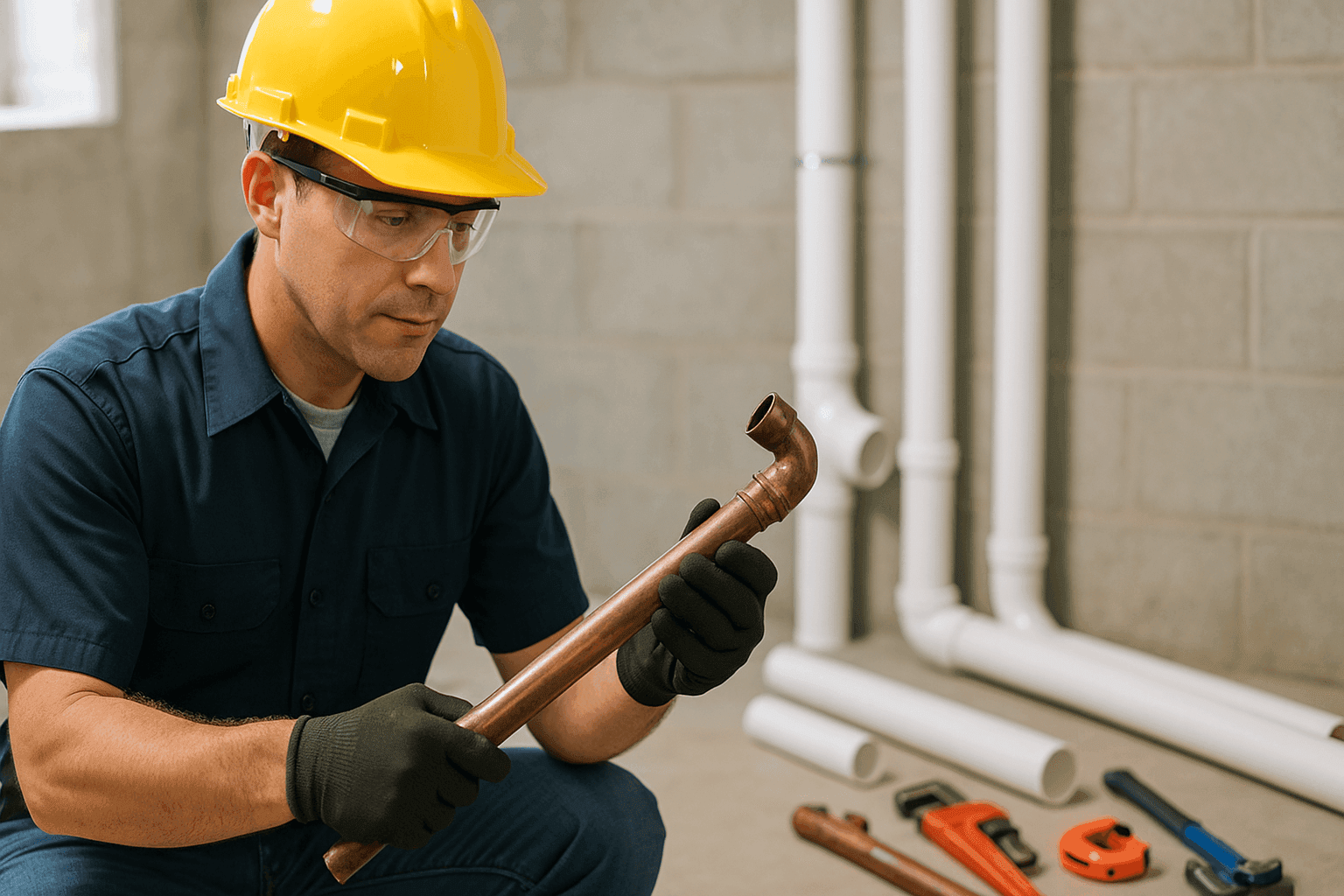
When pipes start whispering, it’s wise to listen. Whether you own a cozy home or manage a busy commercial building, your plumbing is more than metal and water. It’s the silent lifeline under every floorboard, behind each wall.
But pipes don’t last forever. They age, corrode, and—sometimes overnight—fail. That’s when you need someone who understands the urgency: Monty’s Plumbing, always ready for emergency plumbing, day or night.
Pipe Materials & Lifespans: Understanding the Backbone of Your Water System
Pipes are like the roots of your property—out of sight, but essential. Different materials mean different lifespans and risks. Knowing what’s in your walls can save headaches (and thousands of dollars) down the line.
- Galvanized Steel: Common in homes built before the 1960s. Prone to rust, corrosion, and reduced water flow. Typical lifespan: 40–60 years.
- Copper: Reliable and popular since the 1970s. With proper maintenance, can last 50+ years. Vulnerable to pinhole leaks in some water conditions.
- PEX (Cross-linked Polyethylene): Flexible and modern. Easy to install, resistant to scale and chlorine. Lifespan: 40–50 years.
- CPVC/PVC: Often used for drain lines, not always for hot water. Lifespan: 40–70 years, but can become brittle over time.
The type of pipe matters. So does the age. The real question isn’t “if,” but “when.”
Signs Your Pipes Need Replacement 👀
Your plumbing will tell you when it’s in trouble. Here’s how to read the signs:
- Discolored Water: Rusty or yellow water from faucets can signal corroded pipes.
- Frequent Leaks: One leak can be a fluke. Multiple leaks mean it’s time to investigate.
- Low Water Pressure: Could be sediment, but often means internal corrosion.
- Odd Tastes or Odors: Metal or earthy smells and tastes suggest pipes are breaking down.
- Water Stains or Damp Walls: Hidden pipes can leak slowly, causing costly damage over time.
- Noisy Pipes: Banging, rattling, or whistling when the water runs? Pipes may be loose, thin, or failing.
Ignoring these red flags can turn a minor repair into a full-blown emergency plumbing situation.
The Risks of Waiting: Why Delaying Repiping Isn’t Worth It
Waiting too long is like ignoring a slow tire leak on a highway trip. The risks mount:
- Water Damage: Even a small leak can ruin drywall, flooring, and personal belongings.
- Mold Growth: Persistent moisture creates a perfect breeding ground for mold.
- Insurance Issues: Many policies exclude damage caused by slow leaks or neglect.
- Water Quality Problems: Old pipes can leach metals, affecting health and safety.
The National Association of Home Builders recommends checking plumbing after 50 years, or sooner if you see warning signs.
Repiping Options: Materials, Scope, and What Fits Your Needs
Every building is unique. Monty’s Plumbing offers partial repipes—just a section, like a kitchen or bathroom—or full repipes, which replace every pipe in the building.
Common Repiping Materials:
- Copper: Durable, time-tested, good for both hot and cold water.
- PEX: Flexible, affordable, quieter, and often used for retrofits.
- CPVC: Suitable for both hot and cold lines, but less flexible.
Residential vs. Commercial Needs:
- Homes typically use copper or PEX.
- Commercial properties may require specialized materials to meet code and handle higher volumes.
When Partial Repiping Makes Sense:
- If only one area (like a bathroom) has issues.
- When budget constraints make full repiping difficult.
When Whole-Home Repiping Is Best:
- Multiple leaks in different parts of the building.
- Widespread corrosion or water quality issues.
- Planning a major remodel.
Monty’s Plumbing has experience with both, for homes and businesses.
What to Expect During Repiping
Repiping isn’t just another afternoon fix—it’s a big job, but not a nightmare. Here’s what happens:
- Assessment: We inspect your pipes, check water pressure, and evaluate material conditions.
- Planning: We map out the new pipe runs. For commercial jobs, this includes coordinating with property managers to minimize disruptions.
- Prep: Furniture, floors, and walls are protected. We create small access holes as needed.
- Replacement: Old pipes come out, new ones go in. Water is shut off only in small sections at a time.
- Testing: All new lines are thoroughly tested for leaks and pressure.
- Restoration: We patch any openings and clean up—leaving your space as tidy as we found it.
You’ll have water back each day, and we’ll keep you updated at every step.
Cost Factors: What Influences Repiping Prices?
No two jobs are the same. Here’s what can affect the cost:
- Material Choice: Copper typically costs more than PEX or CPVC.
- Home Size: More bathrooms and fixtures mean more pipe.
- Accessibility: Finished basements and tight crawl spaces take more time.
- Partial vs. Whole-Home: Replacing just one section costs less than a full job.
- Commercial vs. Residential: Larger spaces or code requirements can increase costs.
According to the International Association of Certified Home Inspectors, whole-house repiping can range from a few thousand to tens of thousands of dollars. For businesses, the range can be higher depending on the building’s size and complexity.
What About Insurance and Permits?
Always check your local building codes. Most municipalities require permits for repiping. Insurance may cover sudden water damage, but not gradual leaks from old pipes. The International Plumbing Code (IPC) sets standards for safe installation and materials.
What Happens If You Wait Too Long? (And Why Emergency Plumbing Matters)
A burst pipe isn’t just a nuisance. It’s a flood. Water can soak walls, ceilings, and valuables in minutes. Businesses risk downtime and lost revenue. When disaster strikes, Monty’s Plumbing is always ready—emergency plumbing, anytime, for homes and businesses alike.
FAQ: Repiping Your Home or Business
How long does whole-home repiping take?
Most residential jobs are finished in a week or less. Commercial projects can take longer, especially in large or occupied buildings.
Do I need to move out during repiping?
Usually not. We work in sections, so you’ll have water each day.
Will my water quality improve?
Yes, new pipes mean cleaner, better-tasting water and fewer worries about leaks or contaminants.
Can I just repair the bad spots?
Sometimes. But if leaks are widespread, replacing everything is often safer—and more cost-effective—over time.
Local and Seasonal Considerations 🏠
Cold winters? Old pipes are more likely to freeze and burst. In older neighborhoods, water main replacements can mean it’s time to check your own pipes, too. Commercial buildings with heavy water use may need more frequent inspections.
If you’re searching for “Sink Repair near you” or have questions about water pressure, leak repair, or preventative maintenance, Monty’s Plumbing is here.
If you’ve spotted the warning signs—or need emergency plumbing, repiping, or pipe repair—don’t wait for a disaster.
Call Monty's Plumbing now — or reach us anytime at 844-484-5484 .