How to Safely Install and Maintain Gas Lines in Your Home or Business
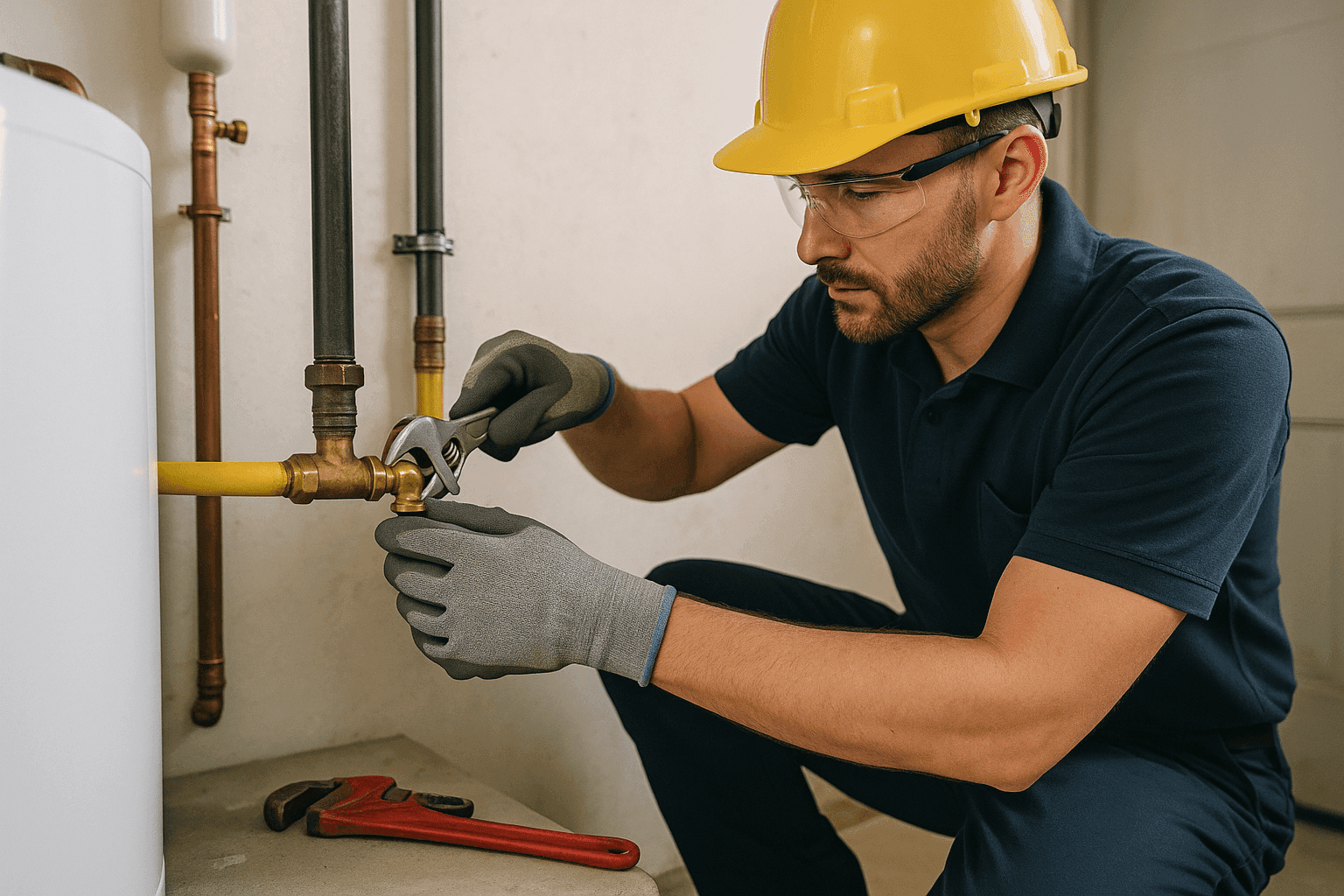
Gas lines are the silent lifelines behind your stove, furnace, and water heater. When they work, you barely notice. But a single leak can turn a normal day into an emergency.
At Monty's Plumbing, we know how stressful gas line issues can be for homeowners and small business owners. Safety isn’t just a box to check—it’s the difference between peace of mind and sleepless nights.
Understanding Gas Lines and Their Risks ⚠️
Gas lines deliver energy to your appliances, but they also carry risks if not handled right. Natural gas and propane are highly flammable. A tiny leak can fill a room with invisible danger.
Common risks include:
- Fire or explosion from undetected leaks
- Carbon monoxide poisoning
- Property damage and expensive repairs
According to the National Fire Protection Association (NFPA), gas leaks are a leading cause of residential fires. That’s why proper installation and regular maintenance aren’t optional—they’re essential.
Step-by-Step Guide to Safe Gas Line Installation
Installing a gas line isn’t like fixing a leaky faucet. It’s more like building a safe bridge over a river—precision matters, and shortcuts can be disastrous.
Choosing the Right Materials and Permits
Before a single pipe is laid, here’s what needs to happen:
- Planning: Map out where the gas line will run. Avoid high-traffic areas and places prone to moisture.
- Permits: Most areas require permits for gas line work. Skipping this step is like driving without a seatbelt—risky and illegal.
- Material Selection: Use only approved materials, such as black steel, copper (where allowed), or corrugated stainless steel tubing (CSST). Each material has its own rules under the International Fuel Gas Code (IFGC).
- Sizing: Pipes must be sized for the appliances they serve. Undersized pipes cause pressure drops; oversized ones are wasteful.
A licensed plumber will double-check every detail, ensuring compliance with local codes and manufacturer guidelines.
Maintaining Your Gas Lines for Safety and Efficiency
Think of your gas lines like arteries in your home—they need regular checkups to stay healthy. Neglect can lead to clogs, corrosion, or dangerous leaks.
Routine maintenance includes:
- Annual Inspections: Have a professional inspect all visible gas lines and connections.
- Leak Detection: Use soapy water to check for bubbles at joints, but never use a flame.
- Appliance Checks: Make sure gas appliances are vented and operating efficiently.
- Backflow Prevention: Install and test backflow devices to stop contaminants from entering your water supply.
The Plumbing-Heating-Cooling Contractors Association (PHCC) recommends professional gas safety checks at least once a year.
Recognizing Warning Signs and When to Call a Pro
Gas leaks don’t always announce themselves with a hiss. Sometimes, the clues are subtle:
- Rotten egg smell (added odorant)
- Hissing or whistling near pipes
- Dead plants along the gas line path
- Unexplained dizziness, headaches, or nausea indoors
If you notice any of these, leave the area immediately and call emergency plumbing services.
Emergency Procedures for Gas Leaks
If you suspect a gas leak, don’t wait or try to fix it yourself. Here’s what to do:
- Evacuate: Get everyone out of the building. Don’t use electrical switches or phones inside.
- Shut Off Gas: If it’s safe, turn off the main gas valve.
- Call for Help: Once outside, contact your gas utility and emergency plumbing professionals.
- Don’t Re-enter: Wait for the all-clear from authorities or a licensed plumber.
Remember, gas is invisible and odorless until a chemical (mercaptan) is added. Never ignore your nose.
The Importance of Compliance and Professional Inspections
Gas line installation and maintenance aren’t DIY projects for a reason. Building codes exist to protect lives and property. The International Fuel Gas Code (IFGC), National Fire Protection Association (NFPA) standards, and manufacturer instructions are your safety net.
Professional inspections ensure:
- All connections are tight and leak-free
- Correct pressure testing is performed
- Proper labeling and documentation
- Compliance with all local and national codes
Skipping inspections is like skipping the last chapter of a mystery novel—you’ll never know if danger is lurking.
Quick Safety Checklist
- Only use licensed professionals for gas line work
- Schedule annual gas safety checks
- Know the location of your main gas shutoff valve
- Never ignore the smell of gas
- Keep appliances well-ventilated and maintained
DIY vs. Call a Pro
It’s tempting to save money by tackling plumbing projects yourself. But gas lines are not the place to experiment.
DIY is okay for:
- Knowing where your shutoff valve is
- Checking appliance vents for blockages
Always call a pro for:
- Installation, repair, or replacement of gas lines
- Pressure testing and leak detection
- Upgrading or relocating gas appliances
A professional brings more than tools—they bring years of training and knowledge of the latest safety codes.
What Pros Do On Arrival
When you call Monty’s Plumbing for gas line work, here’s what to expect:
- Assessment: We listen, inspect, and identify the problem.
- Testing: Pressure tests and leak detection using industry-standard equipment.
- Repairs or Installation: We use approved materials and methods.
- Documentation: We handle permits and provide records for your peace of mind.
Our team doesn’t just fix the problem—we make sure it won’t happen again.
Prevention & Maintenance
Preventing gas line problems is like brushing your teeth—small efforts now save big headaches later.
Practical tips:
- Schedule routine inspections, especially after home renovations
- Replace old or corroded pipes before they fail
- Install carbon monoxide detectors near gas appliances
- Teach everyone in your home or business how to shut off the gas
Monty’s Plumbing offers preventative maintenance as part of our emergency plumbing services, so you’re never caught off guard.
Costs & Time Factors
Gas line work varies in cost and duration based on:
- Length and complexity of the piping
- Number of appliance connections
- Accessibility (crawl spaces, finished walls)
- Permit and inspection requirements
Most repairs or installations take a few hours to a full day. Routine inspections are typically quick, but major upgrades can take longer.
Remember, cutting corners to save money can cost much more in the long run.
When It’s an Emergency
Gas leaks are always urgent. If you think there’s a leak:
- Evacuate immediately
- Shut off the main gas valve if you can do so safely
- Call emergency plumbing services and your gas utility
Don’t try to locate the leak yourself. Safety first, always.
FAQ: Gas Line Installation and Maintenance
Q: How often should gas lines be inspected?
A: At least once a year, or after any major renovation or appliance replacement.
Q: Can I install a gas line myself?
A: No. Most codes require licensed professionals for installation and repair.
Q: What’s the first sign of a gas leak?
A: A rotten egg smell is the most common warning. You might also hear a hissing sound or notice dead vegetation above a buried line.
Q: Are flexible gas lines safe?
A: Yes, if installed and grounded properly according to manufacturer and code requirements.
Special Considerations for This Service
- Always check with your local building department for permit requirements.
- If you own a business, schedule regular gas safety checks as part of your preventative maintenance routine.
- For homes with older piping, consider proactive repiping to modern materials.
- If you’re installing new appliances, ensure your gas line is sized for the added load.
Gas line safety is a marathon, not a sprint. Regular attention keeps your property safe and your mind at ease.
Call Monty's Plumbing now — or reach us anytime at 844-484-5484 .