The Complete Guide to Water Heater Installation and Maintenance
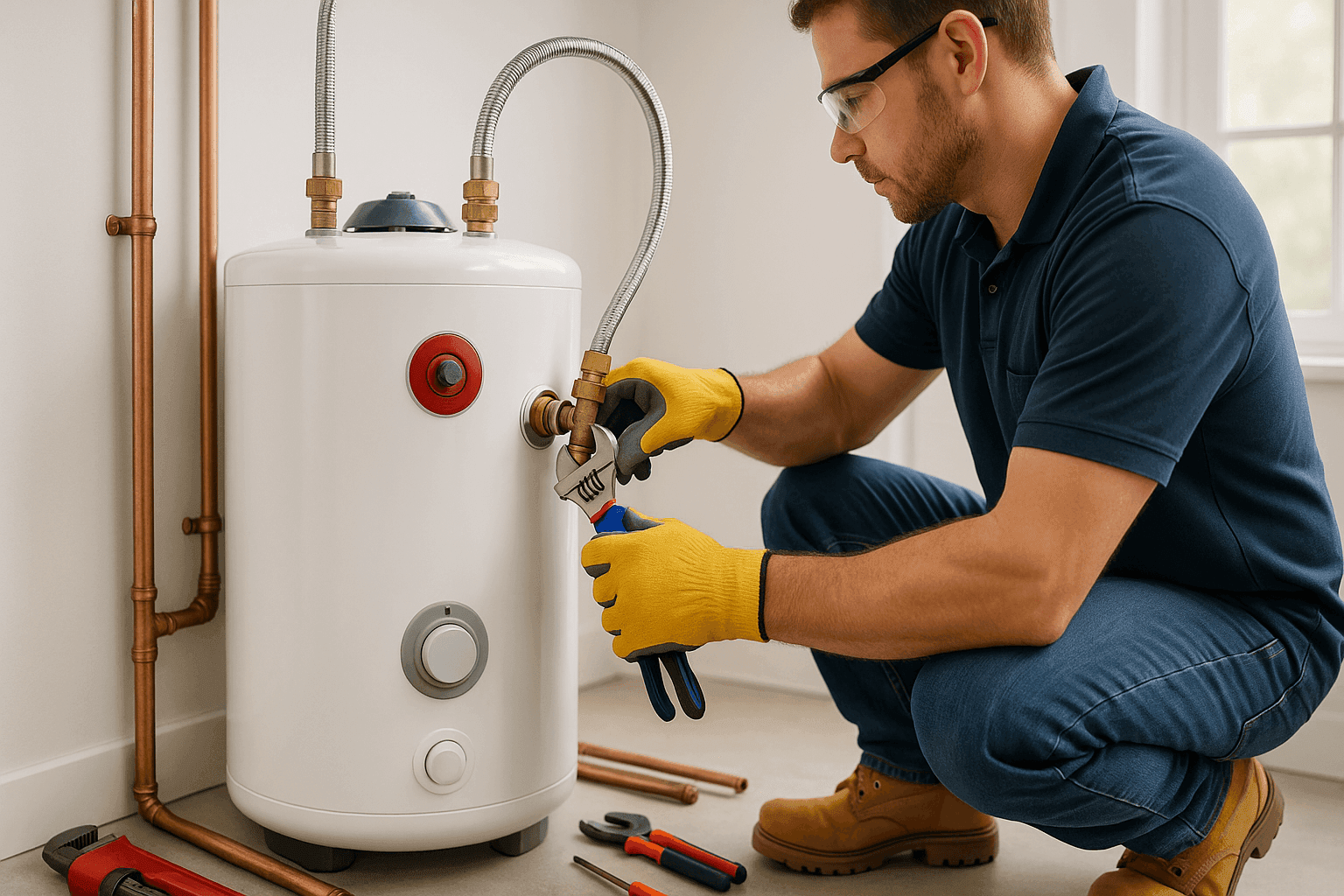
Is your morning shower barely warm? Or maybe your business’s kitchen runs out of hot water at the worst possible time. At Monty's Plumbing, we know that hot water is more than a luxury—it's a necessity. When your water heater falters, everything grinds to a halt. That’s why we offer 24/7 emergency plumbing, water heater installation, and everything in between.
Our team handles sink repair near you, repiping, and tough situations like gas safety checks. We bring decades of hands-on experience to every call—whether it’s your first water heater or your fifth emergency leak.
Choosing the Right Water Heater Type
Not all water heaters are built the same. Some are like trusty old pickup trucks, others more like nimble electric scooters. Let’s break it down:
Tank Water Heaters
- How They Work: Store and continually heat a large volume of water.
- Pros: Lower upfront costs, reliable for high-demand households.
- Cons: Bulky, can run out of hot water, less energy efficient.
Tankless Water Heaters
- How They Work: Heat water on demand as it flows through the unit.
- Pros: Saves space, energy efficient, endless hot water supply.
- Cons: Higher initial cost, may require upgrading gas lines or electrical systems.
Which is better?
If you have a big family or run a busy kitchen, a tank might be your best friend. If you crave efficiency and never want to hear “there’s no hot water!” again—tankless could be the answer.
Permits, Safety, and Legal Must-Knows 🛠️
Installing a water heater isn’t just about swapping the old for the new. You have to play by the rules:
- Permits: Most cities require a plumbing permit for installation. This ensures the work meets the latest safety codes (like the International Plumbing Code or local ordinances).
- Disposal of Old Units: Old heaters contain metal, insulation, and sometimes hazardous material. Professional disposal keeps you compliant with local environmental rules.
- Gas & Electric Checks: Gas and electrical connections must be up to code. This isn’t the place to take shortcuts—improper hookups can cause fires, carbon monoxide leaks, or serious shocks.
- Venting: Gas heaters need proper venting to avoid dangerous backdrafts.
- Water Pressure: If your plumbing can’t handle the new heater’s output, you could end up with leaks or burst pipes.
Before you roll up your sleeves, check with your city’s building department or review the Uniform Plumbing Code for your area.
Professional vs. DIY Installation
Sure, DIY videos make it look easy. But water heater installation is more than a weekend project—it’s a high-stakes puzzle.
Why Hire a Pro?
- Complex Connections: Gas lines, venting, and electrical work are not forgiving of mistakes.
- Code Compliance: Professionals pull permits, follow code, and know the legal requirements.
- Warranty Protection: Manufacturer warranties often require professional installation.
- Safety: A poorly installed heater can leak, flood, or even explode.
When DIY Might Work
- Simple swap of an electric tank heater (with all shutoffs and codes followed).
- If you’re trained and have experience with plumbing, electrical, and gas line safety.
The bottom line: If you’re not 100% sure, call Monty's Plumbing. We’re here 24/7 for emergencies and planned installs.
Maintenance Checklist: Keeping the Hot Water Flowing
Regular maintenance is like brushing your teeth—skip it, and you’ll pay later.
- Flush the Tank: Once a year, drain a few gallons to remove sediment (for tank heaters).
- Inspect Anode Rod: This rod fights rust; replace it every 2–5 years.
- Check Pressure Relief Valve: Lift and release the lever—water should come out. If not, replace the valve.
- Look for Leaks: Puddles, rust, or damp spots mean trouble.
- Listen: Rumbling sounds can signal sediment buildup.
- Test Temperature: Keep it at 120°F for safety and efficiency (per U.S. Department of Energy recommendations).
- Tankless Units: Run a vinegar solution through the system once a year to clear scale.
A few minutes each year can add years to your heater’s life.
Common Issues to Watch For 🔥
Water heaters don’t usually go quietly. They give warning signs:
- No Hot Water: Check circuit breakers, pilot light, or call for service.
- Strange Noises: Popping or banging? Could be sediment or a failing heating element.
- Leaks: Any water around the base is a red flag. Shut off the water and call for help.
- Discolored Water: Rusty or smelly water points to corrosion or bacteria.
If you spot any of these, reach out for emergency plumbing—fast action prevents bigger headaches.
What Pros Do On Arrival
When Monty's Plumbing arrives, we don’t just swap boxes. Here’s what to expect:
- Assessment: We size up your old unit and check your plumbing, electrical, and venting.
- Permits & Prep: We pull necessary permits and explain the process.
- Safe Shutdown: Your old heater is drained and safely disconnected.
- Install New Heater: Connections are made to code, with new fittings and safety valves.
- Safety Checks: We test for gas leaks, electrical safety, and proper venting.
- Disposal: Old unit is hauled away and disposed of responsibly.
- Final Inspection: Everything gets a double-check—no drips, no loose wires, no guesswork.
Prevention & Maintenance: Extend Your Heater's Life
Think of your water heater like a car—it needs more than gas to run well.
- Schedule Annual Inspections: Even tankless systems need a yearly check.
- Install a Water Filtration System: Protects your heater from mineral buildup.
- Monitor Water Pressure: High pressure leads to leaks and premature failure. Ask Monty’s Plumbing about pressure regulators.
- Wrap Pipes: Insulate hot water pipes to save energy and reduce freeze risk in winter.
Stay on top of the little things, and you’ll avoid most emergencies.
Costs & Time Factors
Water heater installation isn’t a one-size-fits-all job. Here’s what affects the price and time:
- Unit Type: Tankless models cost more upfront, but may save money over time.
- Labor: Complex installs (tight spaces, old pipes, new venting) take longer.
- Permits & Disposal: Fees vary by city and county.
- Emergency vs. Scheduled: Middle-of-the-night calls cost more, but Monty's Plumbing is always available.
Most standard installs take 2–4 hours. Factor in extra time for code inspections or unexpected repairs.
When It’s an Emergency 🚨
Flooded basement? No hot water in the middle of winter? These can’t wait.
- Turn Off Power or Gas: Shut down the heater at the breaker or gas valve.
- Stop Water Inflow: Close the cold water supply valve.
- Call Monty's Plumbing: We respond 24/7, ready for anything from leak repair to sump pump fixes.
- Document Damage: Take photos for your insurance company if needed.
Quick action keeps damage—and stress—to a minimum.
FAQ: Water Heater Basics
How long does a typical water heater last?
Tank models: 8–12 years. Tankless: Up to 20 years, with proper care.
Do I need a permit for replacement?
Yes, in most areas. It’s for your safety and code compliance.
What size water heater do I need?
Depends on household size and usage. A pro can help you choose the right fit.
Can Monty’s Plumbing help with emergencies?
Absolutely. Emergency plumbing is what we do, day or night.
Local and Seasonal Considerations
Cold winters? Hard water? Old pipes? Your location and weather matter.
- Northern Climates: Insulate tanks and pipes to prevent freezing.
- Hard Water Areas: Schedule more frequent maintenance to remove scale.
- Older Homes: You may need upgraded venting, gas lines, or pressure regulators.
Monty’s Plumbing tailors recommendations to your property, whether it’s a downtown diner or a family home in the suburbs.
When your hot water stops, don’t let the day slip away. Monty’s Plumbing is ready around the clock for water heater installation, pipe repair, leak detection, and all your emergency plumbing needs.
Call Monty's Plumbing now — or reach us anytime at 844-484-5484 .